Another bath salt that caught my eye was Blue Silk. I had briefly looked into blue silk bath salts prior to ordering to find mostly positive feedback from the people who had tried it. Some even said it was the best on the market due to its potency so I kept that in mind. Another note is how much more expensive this brand was compared to the other salts I have previously purchased, around 50 dollars for 500 mg when tax and shipping was added, and i’ve been told that it is sold for up to 60 in some stores. It arrived 3 days after ordering and after fumbling with the packaging for a moment or two I managed to pull out a blue bag similar to what legal spice is packaged in, just smaller. I broke the seal and poured out an off white colored powder with little brownish pebbles scattered throughout the mix. Remembering that this blend is supposedly more concentrated than any other blend I decided to play it safe and start out with a mere 10 mg. This also had a very mild taste and stung the nose very slightly. After ingestion I obtain the usual stimulant state but with the blue silk I noticed that my sinuses had cleared and I was breathing deeper than usual. After some research into the side effects I learned that stronger stimulants produce those symptoms. Along with the opened sinuses and stimulation I felt a mild euphoria that didn’t last very long. Once the euphoria trailed off I figured the stimulation would somewhat die off soon after, but I ended up being in a jaw clenching state for over an hour after the euphoria stopped. The tension was very noticeable along with the strong uncomfort I felt with some of the other bathsalts I have reviewed. The hype about the strength of this bath salt held up in the end as well. I used a fraction of what I usually have to ingest to feel the same level of effects. The one thing positive I can say is that if you’re going for more bang for your buck this is probably the best choice for you, even though it is more expensive seeing as that bag contains roughly 50 doses while the others hold a wimpy 4-7 doses. On the other hand if you are looking to experience the euphoric side of bath salts then I would stay far away from this blend.
Tuesday, November 8, 2011
Blue Silk Bath Salts Review

Why Bath Salts are Popular
Why Snorting "Bath Salts" Is Popular -- and Dangerous
The hottest new drug on the streets is perfectly legal — and totally dangerous, according to everyone from the DEA to local toxicology experts. Sold on the Internet and at head shops under names such as Ivory Wave, Cloud 9, Vanilla Sky, and White Lightning, "bath salts" sound so sweet and innocent. But the alleged potent effects of these particular bath salts don't come from dumping them in the tub for a relaxing soak. The packets contain small amounts of white crystalline powder, and they're labeled with warnings like "novelty only" and "not for human consumption."
But there have been more than a hundred reports nationwide of people smoking, snorting, eating, or injecting the bath salts — with ill effects ranging from paranoia to seizures. Doing so is said to produce effects similar to highs from ecstasy (heightening of the senses, sexual arousal) and stimulants like cocaine and methamphetamine (euphoria and increased energy).
Local DEA spokeswoman Ramona Sanchez says they haven't received any calls related to bath salts in Arizona yet, but Banner Good Samaritan Medical Center reports two cases related to ingestion of bath salts in Phoenix, one in September and one in December. Both involved 22-year-olds who were admitted to the emergency room with "agitation, increased heart rate and blood pressure."
The bath salts are being sold widely — and legally, for now — in the United States. They are marketed here much in the same manner as "herbal incense" (also called spice). Spice was sold for "aromatherapy only" and also labeled "not for human consumption," but chemical compounds sprayed on the herbs (five of which were federally banned in December) replicated a marijuana high when people smoked it. Spice blends are still sold in head shops, but they don't have the banned compounds in them anymore.
The speedy high from ingesting bath salts is said to come from two synthetic compounds, mephedrone and methylenedioxypyrovalerone (MDPV). The federal Drug Enforcement Administration was alerted to their presence in 2009, when they showed up in lab tests on substances seized by law enforcement officers in six states. Last year, the DEA published reports on both compounds, noting that each was "related in chemical structure" to illegal hallucinogenic substances like MDMA (ecstasy) and illegal stimulants like cathinone and methamphetamine.
Mephedrone, first synthesized and reported in a French academic journal in 1929, didn't appear on the designer drug market until 2003, when an underground chemist named Kinetic rediscovered and published the formula on the website The Hive (the site shut down in 2004). It's been banned in numerous places, including Israel and Europe. MDPV has reportedly been sold as a "research chemical" since 2008. It has been banned in Finland,Denmark, and Sweden. Neither compound is currently a federally controlled substances in the United States, which makes "bath salts" containing them legal to buy and sell — but far from perfectly safe.
Side effects of snorting bath salts include increased heart rate and chest pain, agitation and paranoia, dizziness and vomiting, and profuse sweating. Poison-control centers around the country have reported receiving more than 160 calls about bath salts in the past three months. Much of the buzz has come from Louisiana, where at least 84 people have been hospitalized after ingesting them. It's been quiet in Phoenix so far — only two reported emergency room visits from bath salts — but they already seem to be a popular product here.
During the last week of December, New Times visited seven Phoenix head shops and called four others looking for bath salts. Every one New Times contacted (with the exception of Trails and Herb 'N' Legend, which doesn't carry them) was sold out.
Herb 'N' Legend owner Tim Martin says he's decided not to carry bath salts because "as a retailer in this business, I'm concerned about the attributes of what's being said — if it's addictive or even deadly. As a father, I can't let this get to anyone. People will do anything for a dollar, and it's sick."
When we finally found a bag of bath salts at DJ's Smoke Shop in Mesa, it was the last on their shelves. The clerk said that five minutes earlier, a man came in and bought the rest — seven 250 milligram bags of bath salts, totaling nearly $240.
Dr. Daniel Brooks, co-medical director of the Department of Medical Toxicology at the Banner Good Samaritan Poison and Drug Information Center in Phoenix, is familiar with mephedrone and MDPV as "relatively novel synthetic stimulants" but says that little academic research has been done on them and that they've never been tested on humans. Medical professionals aren't 100 percent certain how these compounds are metabolized or how they'll react with other drugs. The ingredients in bath salts aren't listed on the packages, so users have no way of knowing what they're actually ingesting.
"We see patients that are often sent to us after overdoses and adverse drug effects. I don't have specific numbers and such, but a lot of the patients that come to us saying they bought an illicit substance, like . . . spice or mephedrone; especially these newer drugs that are out on the market, we often run tests and find other drugs in their system," Brooks says. "I think that's the main problem with using illicit substances. Anything that's not regulated . . . you never know what you're getting. They could say it's spice, but it's really methamphetamine. Or they can say it's mephedrone, but it's some prescription anti-psychotic."
source:http://www.phoenixnewtimes.com/2011-01-13/news/news-niki/2/
More Information on the Designer Drug called, Bath Salts
Bath salts have been around forever but you probably never gave them much thought until recently. The Epsom salts used to help sore feet are not really all that interesting. Or at least, they probably weren’t until someone high on “bath salts” decided to kill his neighbor’s pet goat. But no worries, these aren’t the same “bath salts” you are used to – these new “bath salts” are a unique and dangerous phenomenon of their own. The source of emergency room visits and bizarre headlining crimes has been mislabeled, and we are here to clear up what the question “What is a bath salt?”
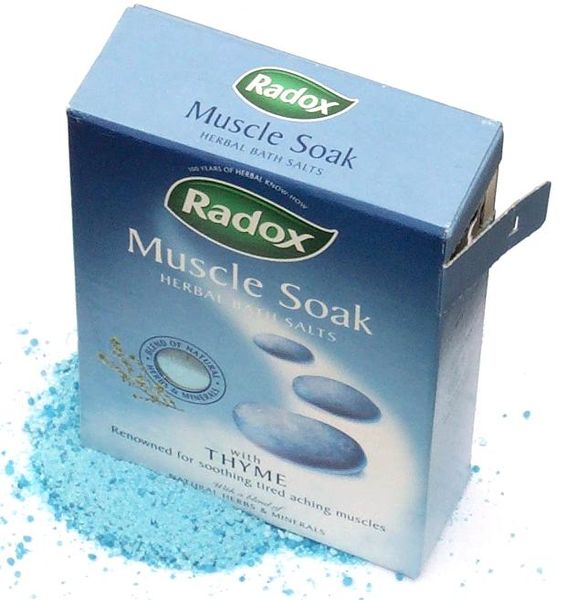
Real bath salts, safe to use as directed, 100% unlikely to make you a homicidal goat killer.
What are Bath Salts?
The “bath salts” discussed in the media are substances of abuse. They are “designer drugs,” meaning that they are not found in nature and instead are cooked up in a lab. The main drugs being sold as “bath salts” are Methylenedioxypyrovalerone and mephedrone. They are both stimulants that can have a wide variety of effects.
What is Methylenedioxypyrovalerone?
Also known as MDPV, Methylenedioxypyrovalerone is a very powerful chemical. It is apparently the main ingredient in the “Ivory Wave” bath salt brand. It has no medical use. The drug is similar to cocaine in effect, although apparently far less of MDPV is needed to achieve a cocaine-like high. It has also been compared to methamphetamine.
MDPV can provide increased feelings of stimulation and energy, along with increased concentration. However, it may also provide many of the negative effects associated with stimulants: rapid heartbeat, insomnia, fatigue, shaking/twitching, dizziness and overstimulation. Anxiety, paranoia, psychosis, and confusion can also accompany administration of the drug. As is the case with many designer drugs, a lot of the danger comes from the lack of research and regulation attached to it. MDPV has only been used recreationally since 2005 and there is a notable lack of information on the effects of the drug by dosage. Worse, its dosage can vary by brand so it’s not clear how much you may be taking at any given time. Simply put it’s a very risky, dangerous drug, not only because of its expected and unexpected effects, but also because of the lack of information available about the drug, period.

A popular MDPV or mephedrone containing brand of "bath salt." Photo credit Hunterdon Drug Awareness Program.
What is mephedrone?
Like MDPV, Mephedrone is a powerful stimulant and a designer drug. It is occasionally marketed as plant food but is also part of some “bath salts.” It has very similar effects to MDPV, ecstasy, and cocaine. The reported sense of well-being produced by mephedrone is more similar to ecstasy than cocaine. Mephedrone’s effects kick in a little sooner than MDPV’s, at about 15-45 minutes after oral administration, or within minutes when snorted. MDPV’s effects last a bit longer and it also takes longer for the effects of the drug to be felt. Hallucinations and paranoia have also been reported with this drug, but these effects seem somewhat less common in mephedrone than MDPV.
Where did these drugs come from?
It seems that both mephedrone and MDPV can be created at home, if you have the right chemicals. Unlike other drugs that can be created at home, like methamphetamine, you cannot currently urine drug test for them unless you use a lab (see below for more details). The chemicals used to create the compounds generally come from India or China. In the case of the packages being sold online and in convenience stores, it appears that some are coming from Europe. Bath salts were recently made illegal in the UK and in most of Europe, and presumably the suppliers had excess product they were interested in shipping. These drugs did not really appear on the scene until anywhere from 2005-2007, and demand is slowly being reduced as state and federal agencies fill the legal loopholes that have so far allowed people to purchase these substances freely.
What is the problem?
The inappropriate use of bath salts has led to some very bizarre and dangerous encounters in the United States. Recent stories traced back to bath salts include a man killing his neighbor’s pet goat while wearing woman’s underwear, various assaults on policemen while experiencing hallucinations, suicides, self-mutilation, and more.
Another danger these drugs present is that, due to the lack of scientific research, doctors are unable to calm patients that are having a bad reaction to the chemical compounds they’ve ingested.
How is the problem being solved?
Some states have already banned the sale of bath salts, as the sale of k2 / Spice products were banned state-by-state last year (and are now subject to a federal ban). The DEA has put these salts and mephedrone and MDPV on its “Drugs and Chemicals of Concern” list last year. And because they are similar to other illegal compounds, their use/possession can be prosecuted under the Federal Analog Act. The issue right now is that they can only be prosecuted if they are intended for human consumption…and as sold in stores these substances are clearly marked that they are NOT intended for human consumption (please see the Hunterdon Drug Awareness Program for more details).
Can these drugs be detected via drug testing?
Redwood Toxicology offers lab based urine testing for mephedrone and MDPV. Currently no instant or home drug test offers “bath salt” drug testing.
source:http://www.homehealthtesting.com/blog/2011/05/what-are-bath-salts/
source:http://www.homehealthtesting.com/blog/2011/05/what-are-bath-salts/
Tuesday, October 5, 2010
Bath Salts 101
The use of bath salts for therapeutic purposes dates back to the year 2700 BC. Hippocrates believes greatly in the power of salt water to heal the various diseases existing in that period of time. Nowadays, this term refers to different types of inorganic solid products usually added to a bath tub to enhance the bathing experience and to relax and exfoliate the body. However, a different type of product is entering the consumer market.
What is the chemical in new Bath salts?
You've probably seen the new generation salt in your local head shop or in your local pharmacy or drug store. Usually sold as the brands "Posh", "Love", "Cloud 9" etc, these substances, which appear as brightly coloured crystals contain a stimulant known as Methylenedioxypyrovalerone (MDPV) and other chemicals such as mephedrone, lidocaine and Methylone. MDPV was found to be a powerful stimulant and lidocaine is a numbing agent.
What are its effects?
Most manufacturers advertise bath salts for external use only. Some have observed that when the salt is snorted or taken orally, it can produce feelings of increased energy, mental stimulation, and some euphoria, similar to the drug amphetamine. However, as people come down from their high, the side effects can include agitation, paranoia, hallucinations, chest pain, and suicide risks. Some substance abusers even end up in intensive care or end up doing things that normal people would not usually do. And not to mention, the new generation drug can easily be detected in a drug test.
What are governments doing about them?
The chemicals have been banned in many countries around the world such as the United Kingdom and Australia. Currently in the US, the stimulants in these products are not being regulated nationally but these products have certainly been banned in certain states like Florida and Ohio. However, little packets are still readily available over the counter of any drug store for about $25-$40. Even in banned states, the products can still be acquired through word of mouth or through the Internet.
Conclusion
Should we just ban bath salts? This is quite a good question which unfortunately does not have an answer. Although the media often highlight the negative effects of this new drug, it is only due to misuse that the salts have gotten such a bad rap. Alcohol and smoking also kills millions every year but are still legal substances. It is thus up to the individual to decide how he would use this new chemical.
Source: Marco, Renjer "Bath Salts - Designer Drug or Relaxing Therapeutic Experience?." Bath Salts - Designer Drug or Relaxing Therapeutic Experience?. 30 Jun. 2011EzineArticles.com. 8 Nov. 2011.http://EzineArticles.com/6391603
Subscribe to:
Posts (Atom)